Home-Oven Steam: Why I Swear by a Double Dutch Oven
How to get glossy crusts and big oven spring without any complicated steam tricks. The simple method that works every time.
Posted by
 Lawrence MacAlpine
Related reading
Sourdough Starter Care: The Practical Guide
Feeding schedules, temperature bands, and what to do with hooch. Everything you need to keep your sourdough starter thriving.
Why Sourdough Is Better (And Why You'll Never Go Back)
Discover why sourdough has been around for thousands of years and why it's better for your body, your taste buds, and the people around your table.
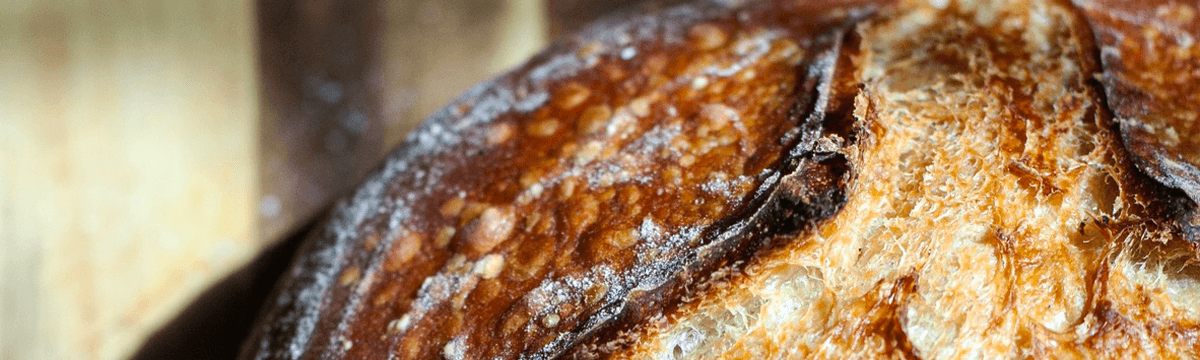
Steam Is the Secret Ingredient to Bakery-Quality Bread
If you've ever wondered why bakery loaves have that shiny, blistered crust and dramatic oven spring, the answer is simple: steam.
In the first 10–15 minutes of baking, steam keeps the crust soft so your dough can expand fully, and it helps gelatinize surface starches for that glossy, caramelized finish we all love.
Commercial ovens inject steam automatically. Home ovens? Not so much. That's why how you create steam makes a huge difference in your results — and why, after years of experimenting, I keep coming back to one simple solution:
A double Dutch oven.
My Go-To: The Double Dutch Oven
I've tried the steam pans, lava rocks, spray bottles, and all the "hacky" methods. And while they can work, nothing comes close to the simplicity and consistency of a double Dutch oven.
A Dutch oven naturally traps the moisture released from your dough during baking, creating a perfect steam chamber inside. The "double" part — using the lid as the base and the pot as the dome — makes loading and unloading so much easier. No juggling heavy hot pots. No risk of deflating your dough.
Why I love it:
- Consistently delivers bold oven spring and shiny crust
- Requires zero extra steps — no pouring water or spraying steam
- Keeps bakes low-mess and stress-free
- Perfect for boules, bâtards, and most everyday loaves
The only trade-off? Size. If you're baking extra-large loaves or multiple boules at once, you'll need a bigger vessel or a steel setup. But for 90% of home bakes, the double Dutch oven wins — every time.
Other Methods Exist — They're Just More Work
Some bakers use a baking steel + steam pan combo for more control over steam and space. It's a solid choice, especially for multiple loaves or baguettes, but it's more involved:
- You'll need to time water pours precisely.
- Boiling water into hot pans can be messy and risky.
- Results vary more from bake to bake.
It works — but I'd rather skip the juggling act and focus on shaping, scoring, and sharing beautiful bread.
Pro Tip: Preheat Thoroughly
Whichever method you use, preheating matters. I preheat my double Dutch oven for 45–60 minutes at 475°F (246°C) before loading the dough. That blast of heat combined with the sealed steam chamber is the key to explosive rise and that singing crust when you pull the loaf out.
The Bottom Line:
There are lots of ways to add steam to a home oven — but for me, the double Dutch oven is the gold standard. It's simple, consistent, and requires zero extra gear or guesswork. If you want bakery-quality bread from a home setup, this is the tool I'd recommend every time.